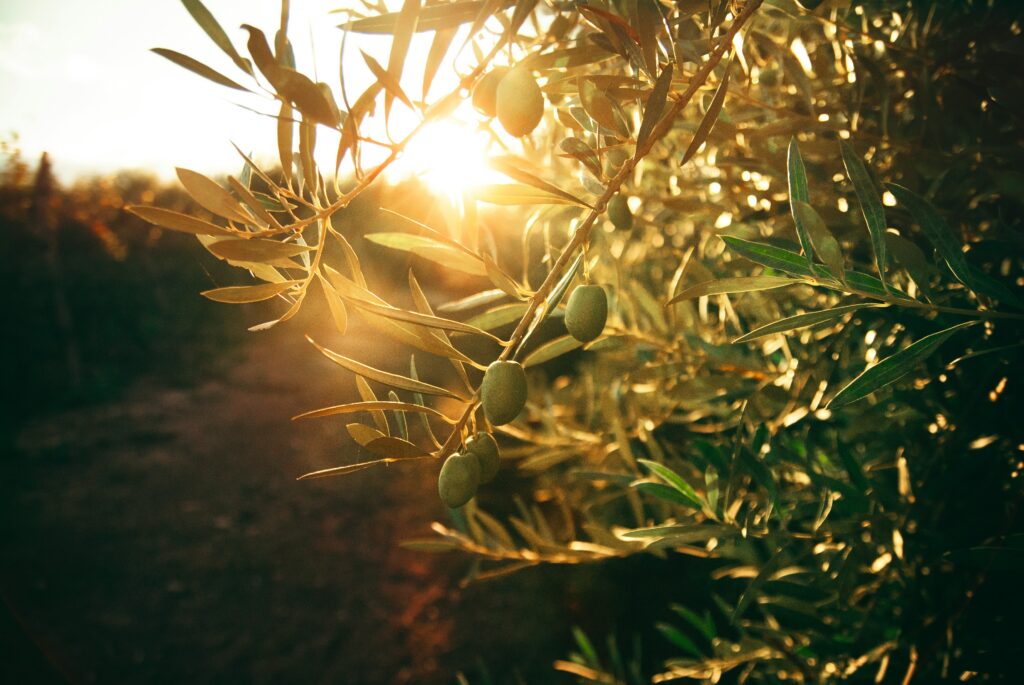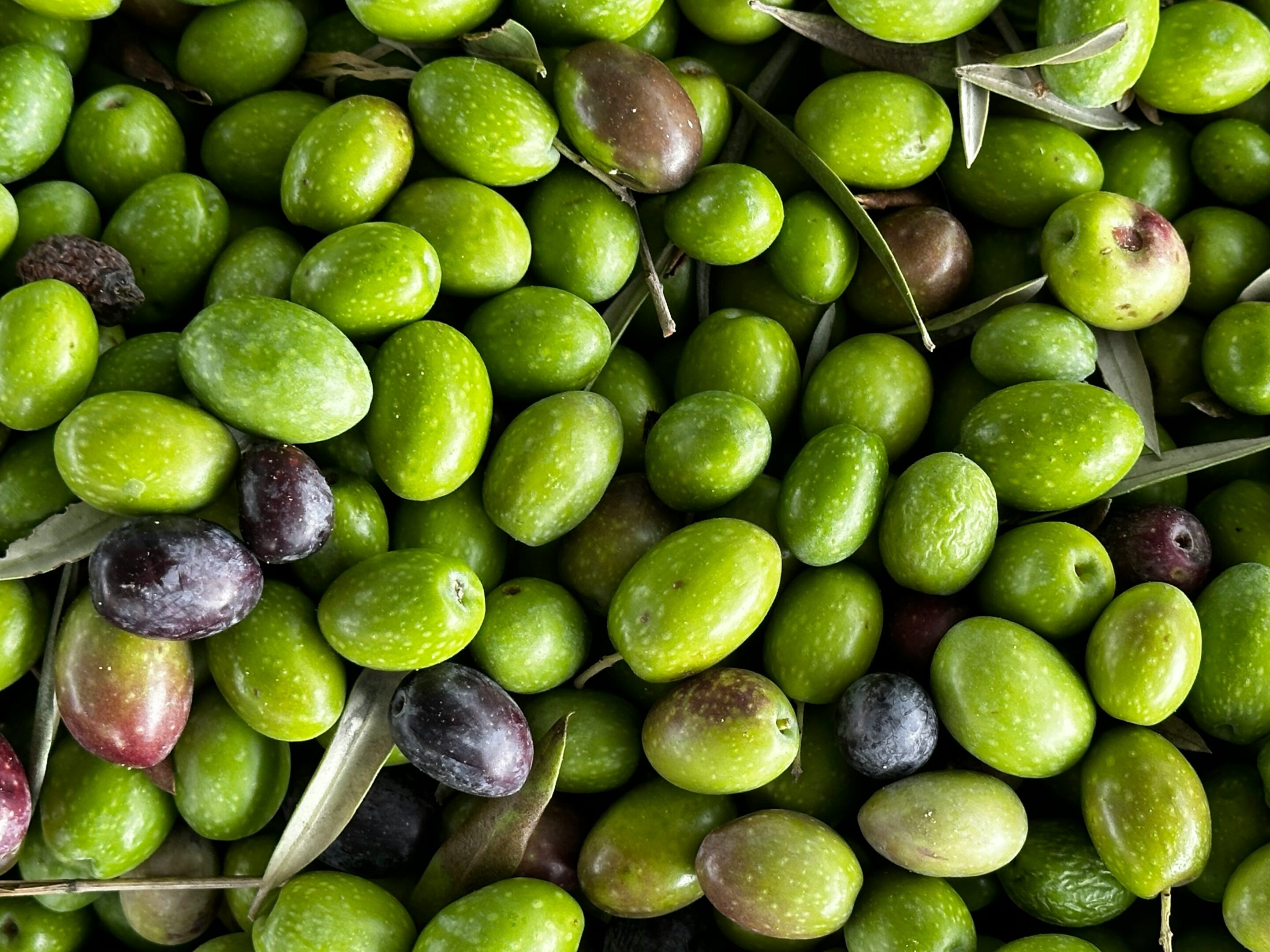
For a few weeks after pressing, new olive oil is green, peppery and alive with the unmistakable scent of cut grass. Its peak is brief; the only way to taste it at its best is to go to it.
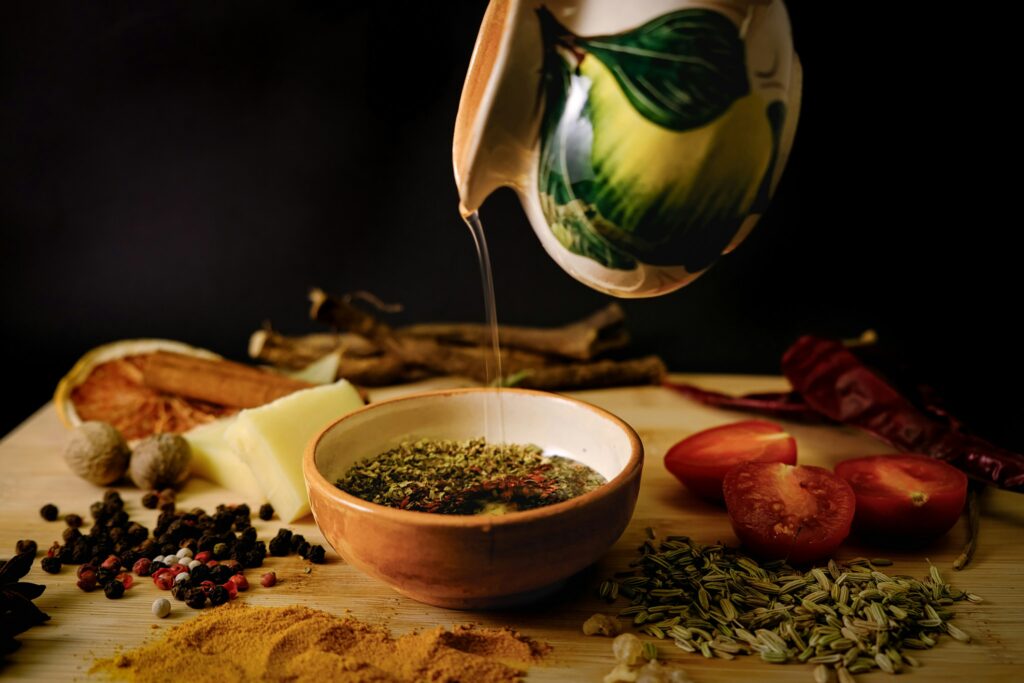
There is a moment, usually in a stone-floored mill with the machinery still turning, when someone hands you a small glass of oil that was hanging on the branch just that morning. It is cloudy and luminous, the colour of spring leaves held up to the light. The smell arrives first: fresh olive, artichoke, cut grass. Then the taste; bitter at the edges. Finally there is the catch at the back of the throat that makes novices cough and growers smile. That peppery kick is the sign of a young oil doing exactly what it should. It does not last. The green character of new oil comes from aromatic compounds and phenolics that are strongest just after milling and fade steadily in storage.
A 2025 study followed 32 virgin olive oils over a year and found their fruitiness, bitterness and pungency declining month by month as oxidation crept in. The bottle in your cupboard may still be perfectly “good”, but it is a much quieter thing than it was in November.
Harvest timing shifts with latitude, altitude and variety. Some groves start in October, and mountain estates can run into February. But late autumn is when much of the Mediterranean is picking, the mills are running day and night, and the year’s oil can be tasted within hours of being made. Here’s our guide to the best ways to sample it at the source this season:
Portugal
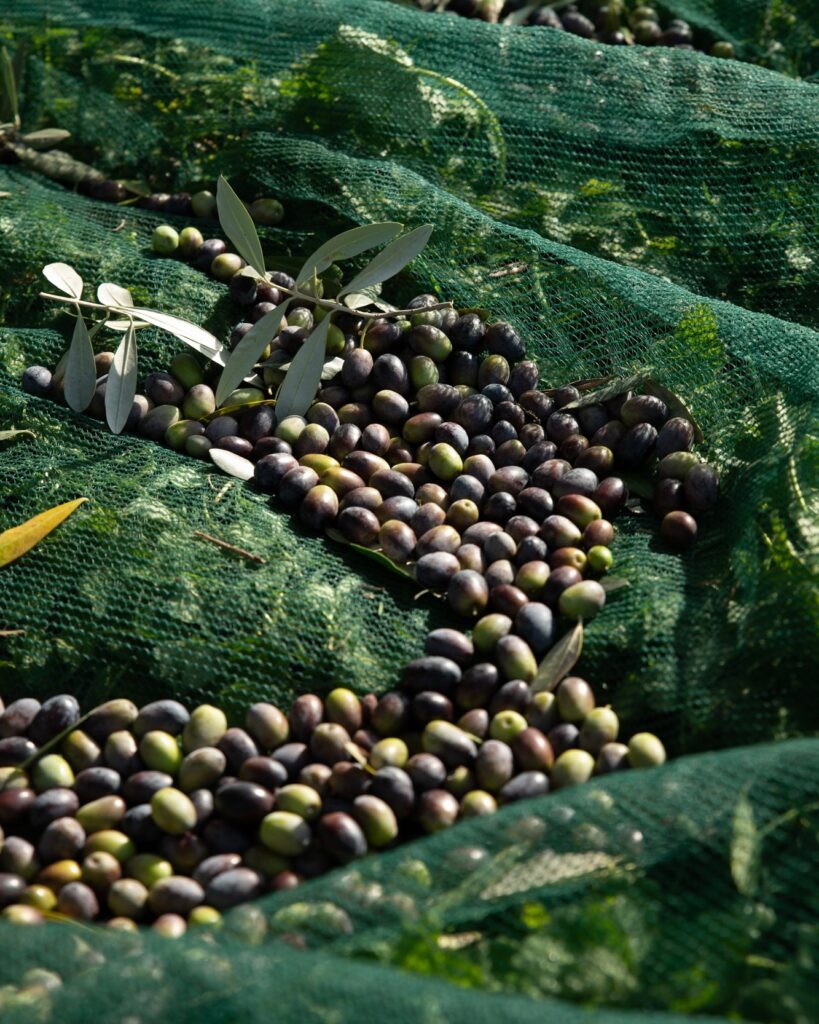
In the Alentejo, São Lourenço do Barrocal sits among more than 6,600 olive trees, many of them centuries old. From the end of October to mid-November, guests can join the harvest, done by hand in the traditional way: nets spread beneath the branches, the trees combed and shaken, the fruit gathered into crates. The estate makes its own organic extra virgin oil from Galega and Bical olives. There are few better ways to understand a bottle than to have picked some of what went into it.
Italy
Outside Florence, Villa La Massa is a former Medici property on the banks of the Arno. It has offered an olive-harvest package that takes guests through the groves, into the mill and on to a menu built around the new oil. Tuscan oils lean robust and peppery, and the local habit of pouring new oil over grilled bread, fettunta, is a delightful simple pleasure. Further south in Puglia, where olive trees outnumber people many times over, Borgo Egnazia’s “Golden Harvest” experience pairs guests with a master producer for picking, tasting and best of all – a picnic among the trees.
Greece
On Crete, the countryside around Chania turns over to the harvest in late autumn. Local operators run organized days in the groves, from hands-on picking to mill visits and tastings. In Messinia, in the southwestern Peloponnese, the Koroneiki olive is king. Working groves open for walks, harvesting and milling demonstrations, and tastings of oil that has barely left the press.
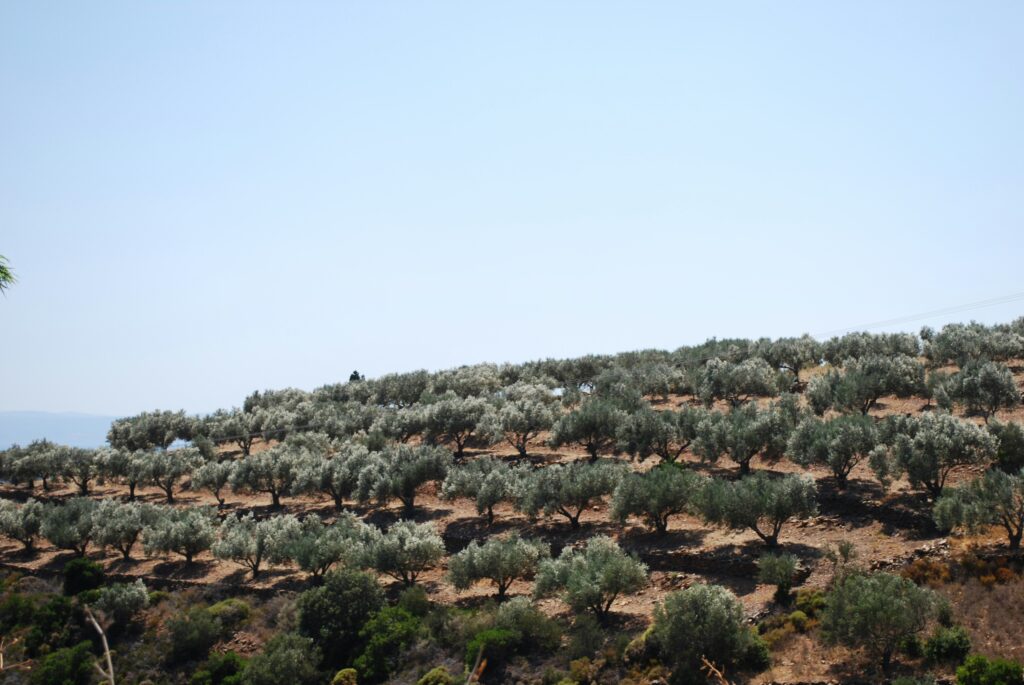
What each of these places share is not only beauty, though they have that in abundance, it is proximity. Olive oil is one of the few everyday foods most of us only ever meet long after the fact, months away from the tree. Tasting it at the source is an entirely different experience.
Not every new oil suits every palate. Early-harvest oils, pressed from greener fruit, are intense, herbaceous and often fiercely pungent. Later pickings are rounder and gentler. Part of the pleasure of a harvest visit is tasting across that range and finding where your own preference lands. When you come home with a bottle, which you will, treat it well. Keep it dark, cool and sealed, but open it soon. The best way to enjoy it is to use it generously, while it still tastes of where it came from.