How is Diwali celebrated in South India?
Diwali is often imagined as a festival that reaches its crescendo after dark: streets strung with lights, fireworks across the sky and families gathering to welcome Lakshmi, the goddess of wealth and prosperity. Travel south, though, and the rhythm changes. In Tamil Nadu, where it is known as Deepavali, the festival begins in the small hours and unfolds around the family home – as much about ritual, food and renewal as spectacle.
The southern celebration centres on Naraka Chaturdashi, which commemorates the defeat of the demon king Narakasura by Krishna and his consort Satyabhama. Because that victory is said to have come at dawn, the day begins before sunrise, with an oil bath known as Ganga snanam.
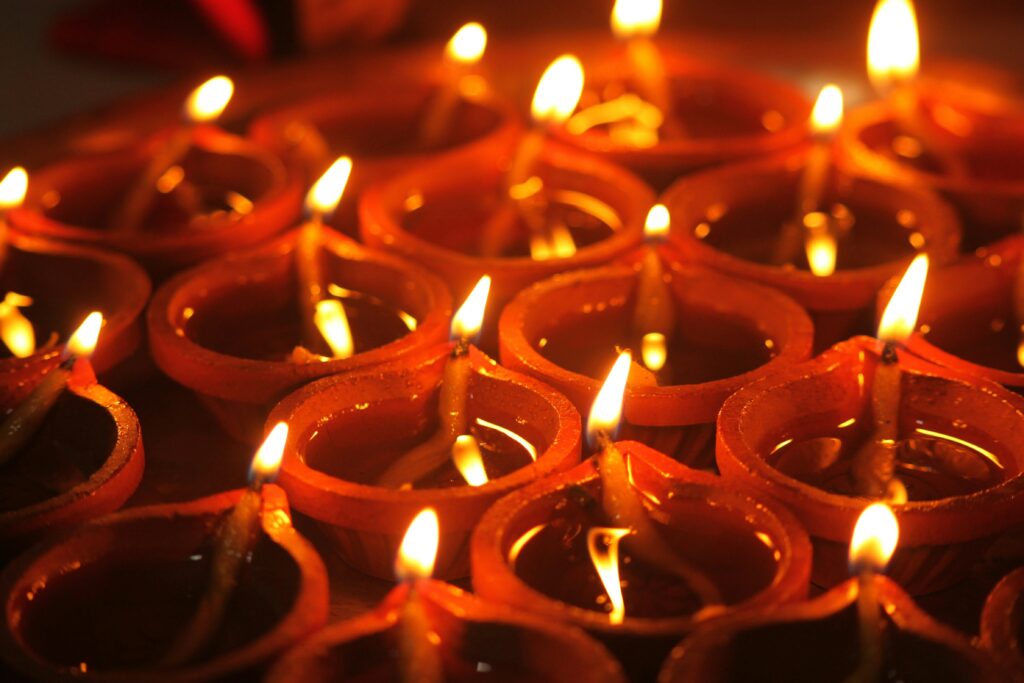
Warm sesame oil is applied to the body before bathing, in a ritual associated with purification and the washing away of negativity. Herbal powders may be used in place of soap, before the family dresses in new clothes and gathers for breakfast. At the threshold of the home, intricate kolams – geometric patterns traditionally drawn in rice flour – are lit with small clay lamps.
Then comes the food. Homemade sweets and savouries are central to the morning, from adhirasam, a deep-fried rice-flour and jaggery sweet, to murukku, a crisp, savoury spiral. Another distinctive preparation is Deepavali marundhu, a dark, aromatic mixture of spices, herbs and jaggery traditionally eaten to aid digestion amid the feasting. It is a small but telling detail: here, even indulgence comes with its own ritual of care.
This is not to say the south forgoes spectacle. Sivakasi in Tamil Nadu produces roughly 90 per cent of India’s firecrackers, and traders put sales for Deepavali 2025 at around ₹7,000 crore, up from about ₹6,000 crore the year before. Yet what defines the Tamil celebration is its early start and domestic intimacy. Rather than waiting for nightfall, families greet the festival at first light.
Why is Diwali quieter in Kerala?
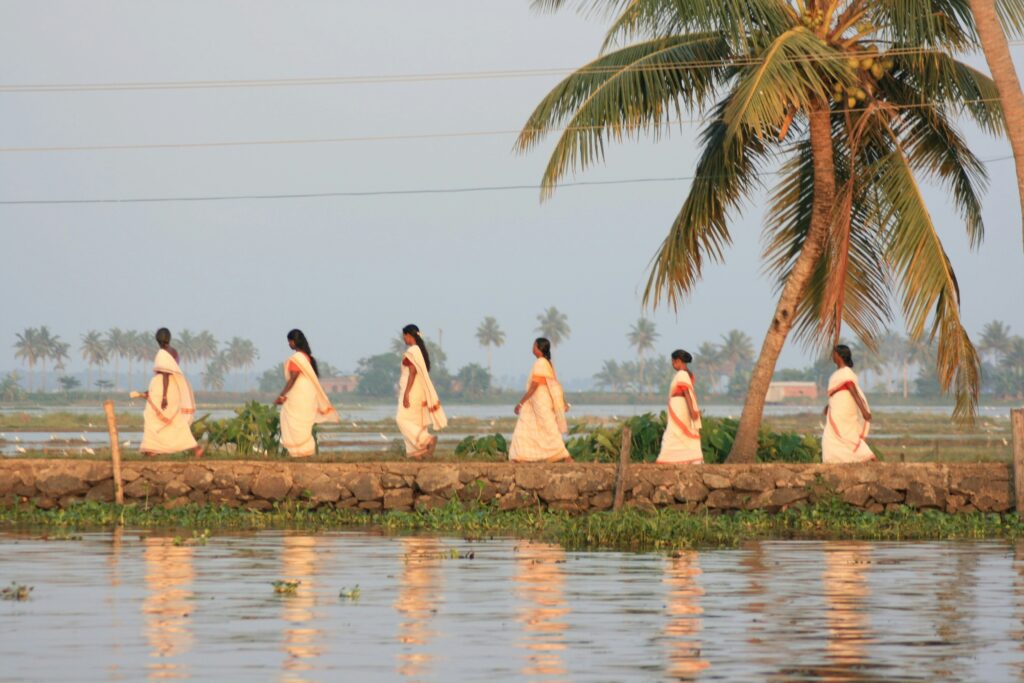
Cross into Kerala and the mood shifts again. Deepavali is celebrated here – particularly among communities with Tamil and Konkani roots – but it does not hold quite the same place in the calendar as it does in Tamil Nadu or the north. Onam, the great harvest festival, and Vishu, the traditional new year, loom larger. Kerala even has a festival of lamps of its own, Thrikarthika, which falls on November 24 this year.
The season plays its part, too. November brings the northeast monsoon, with rain and heavy skies often replacing the crisp, clear evenings associated with the festival elsewhere.
The result is a more subdued observance rather than an absence of celebration – a useful reminder that India’s festivals are not experienced uniformly across its vast and varied regions. Set it beside the bazaars of Jaipur, strung with lights and alive well into the night, and it could almost be a different festival.
When is Diwali 2026?
This year, the two traditions share a single day. Diwali falls on Sunday, November 8, 2026, with Lakshmi Puja observed across much of northern India that evening. In Tamil Nadu, where Deepavali is a public holiday on the same date, the lunar day of Naraka Chaturdashi is still in force at sunrise – so the oil bath, new clothes and celebratory breakfast take place that same morning. In other years, the two can fall a day apart.
The happy consequence is a Diwali that can be followed from dawn to dusk: the southern rituals at first light, the northern lamps after dark. Those hoping to experience the Tamil tradition should be up early on the 8th.
Where to celebrate Diwali in London
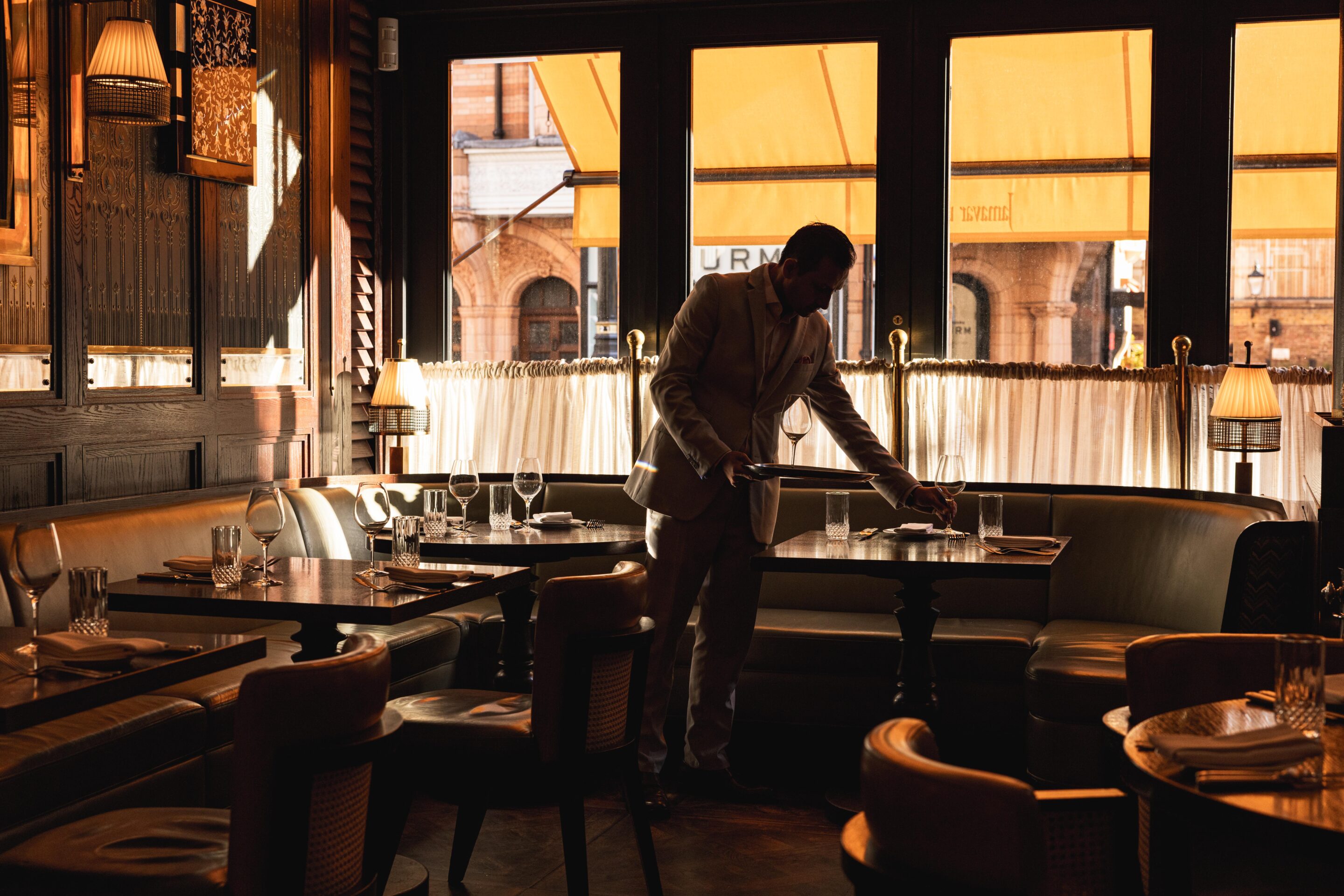
For those unable to travel to South India, London offers its own route into the country’s regional cuisines. In Mayfair, Jamavar on Mount Street draws on culinary traditions from across the subcontinent, making it a natural starting point for a meal that looks beyond the familiar north Indian repertoire.
Jamavar London was opened in 2016 by Dinesh Nair and his daughter Samyukta Nair, of the family that founded The Leela Palaces, Hotels and Resorts. It earned a Michelin star eight months after opening, regained the distinction in 2022 and this year marks a decade in Mayfair. Its cooking draws on the royal kitchens of the north as well as the flavours of the southern coast: Meen Mappas, a Kerala-spiced sea bass curry, sits on the menu alongside the Old Delhi butter chicken. The result offers a broader view of India’s culinary heritage than any single regional menu could.
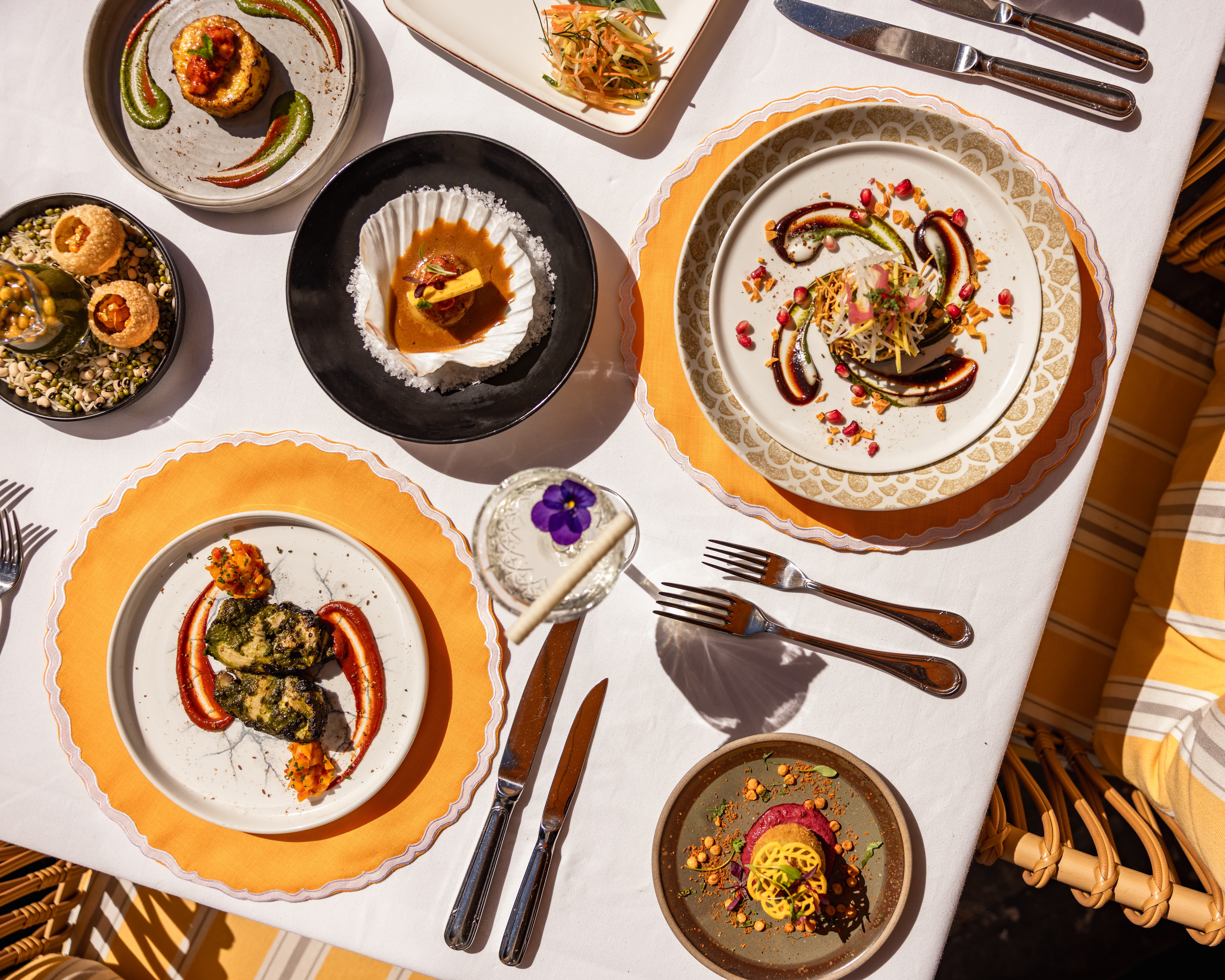
For Diwali, Jamavar looks to the celebrations of India’s princely courts with A Royal Diwali Darbar, a feasting menu from Culinary Director and Executive Chef Surender Mohan. Served at lunch and dinner from October 28 to November 8 (£138 per person, with an optional £98 wine flight and a vegetarian menu available), it begins with a welcome drink and the Jamavar Jewel Box of mirchi pakora, masala kaju, mathri, papads and chutneys. Nazakat ke Bhalle follows, then a choice of Dill Malai Jhinga or Bhatti ka Murgh, and Achari Gosht or Old Delhi Butter Chicken, before Shahi Kala Jamun brings the feast to a close. The south remains well represented on the à la carte, from Lobster Idli Sambhar to Malabar Prawns. From November 9, the day after Diwali, the festive tasting menu (£130 per person, with an optional £98 wine flight) runs until lunch on December 31, and includes Prawn Mappas in southern-spiced coconut milk and a Chettinad Duck Goolar.
For travellers, The Leela Palace Bengaluru is home to the original Jamavar, opened in 2001, and, fittingly, Karnataka shares Tamil Nadu’s tradition of greeting Deepavali with a dawn oil bath.
Ultimately, the appeal of South India’s Diwali is not that it offers a lesser version of the festival, but that it reveals another way to experience it. There is something quietly compelling about a celebration that begins before sunrise, with warm oil, fresh clothes and a table of homemade sweets, before the rest of the world has quite woken up.